Europe remains one of the most sought-after regions for international jobseekers, thanks to strong economies, established labor standards, competitive wages, and a high overall quality of life. From technology and healthcare to logistics, warehousing, hospitality, and manufacturing, many European countries continue to face labor shortages — creating real opportunities for both skilled and semi-skilled workers.
That said, finding the right job in Europe takes more than browsing listings online. Understanding the job market, employer expectations, workplace policies, labor laws, and visa requirements makes a real difference in landing stable, long-term employment. This guide covers what every jobseeker should know before starting a job search in Europe.
Understanding the European Job Market
Europe offers opportunities across technology, healthcare, finance, tourism, logistics, and manufacturing. Countries such as Germany, the UK, France, the Netherlands, and Sweden are known for strong economies, competitive salaries, and professional working conditions. Matching your skills to local demand is the first step:
| Sector | High-Demand Countries | Typical Roles |
|---|---|---|
| Technology & IT | Germany, Netherlands, UK | Software Developer, Data Analyst, IT Support |
| Healthcare | Germany, France, Sweden | Nurse, Medical Technician, Physician |
| Tourism & Hospitality | Spain, Italy, Greece | Hotel Staff, Tour Guide, Event Planner |
| Logistics & Warehousing | Netherlands, Germany, Belgium | Forklift Operator, Warehouse Supervisor, Transport Manager |
| Finance & Banking | UK, Switzerland, Germany | Accountant, Auditor, Financial Analyst |
Candidates with in-demand skills and the right qualifications for their target country tend to secure roles more quickly.
Key Company Policies to Expect
It’s worth understanding the general workplace policies you’re likely to encounter when applying for roles in Europe.
Working hours and work-life balance. Work-life balance is a genuine priority across most of Europe. Standard working weeks typically run 35–40 hours, and many countries place legal limits on overtime — France, for example, has a statutory 35-hour work week, while Germany has moved toward more flexible arrangements. Paid annual leave commonly ranges from 20–30 days, and offices are generally closed on public holidays.
Employment contracts and worker rights. Most European countries require written employment contracts that clearly outline salary, working hours, responsibilities, and benefits. Worker protections are generally strong, covering sick leave, parental leave, and protection against unfair dismissal. In many countries, trade unions play an active role in negotiating employment conditions.
Equal opportunity and diversity policies. Discrimination based on gender, age, race, religion, disability, or sexual orientation is prohibited by law across the EU. Many employers also run active diversity and inclusion programs, including initiatives supporting women in leadership and minority representation.
Health and safety regulations. Workplace health and safety standards are strictly enforced. Depending on the sector, this can include ergonomic workstations, mental health support, and specific safety protocols in industries like construction and manufacturing.
Tips for Jobseekers
- Research company culture. Sites like Glassdoor and LinkedIn can offer real insight into work-life balance, management style, and employee satisfaction at a given company.
- Prepare for structured interviews. Many European employers use multi-stage interview processes — arrive on time and come prepared for each round.
- Read your contract carefully. Clarify salary, probation period, notice period, and any terms you’re unsure about before signing.
- Confirm your visa requirements. Non-EU citizens should verify visa requirements for their specific target country well before applying; some countries offer expedited visa pathways for certain professions.
- Adapt to local workplace norms. Communication style, dress code, and general workplace culture vary significantly by region — a bit of research goes a long way.
Europe’s Growing Logistics and Warehouse Sector
Europe’s logistics sector is expanding rapidly, with major hubs in Rotterdam, Hamburg, Antwerp, and Duisburg. Workers familiar with inventory systems, automation, and route optimization are in strong demand.
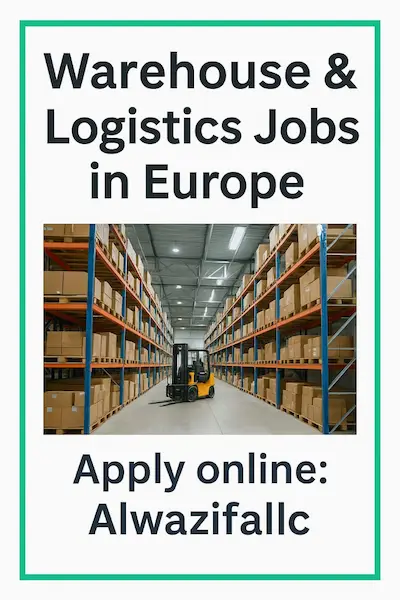
Common warehouse and logistics roles
| Position | Experience Required | Estimated Salary (€/Year)* |
|---|---|---|
| Forklift Operator | Entry-level | 30,000–40,000 |
| Warehouse Supervisor | 2–5 years | 45,000–65,000 |
| Logistics Manager | 5+ years | 70,000–100,000 |
| Delivery Driver | Entry-level | 25,000–35,000 |
*Figures are general estimates based on publicly available salary data and can vary significantly by country, employer, and experience. Always confirm actual compensation directly with the employer.
Common benefits in this sector include paid vacation, overtime pay, bonuses, pension contributions, and medical coverage.
Non-EU citizens generally need a work visa or an EU Blue Card to take logistics roles in Europe, while EU citizens can work freely across member states. English is widely used in the sector, though learning the local language can help with integration and career growth.
Denmark’s Growing Demand for Foreign Workers.
Denmark is known for well-paid, stable roles across logistics, warehousing, hospitality, and manufacturing.
Popular jobs in Denmark
| Job Type | Estimated Salary Range (€/Month)* | Common Benefits |
|---|---|---|
| Forklift Truck Driver | 2,500–3,500 | Overtime pay, safe working conditions |
| Warehouse Employee | 2,000–3,200 | Paid holidays, health insurance |
| Cleaner / Housekeeping | 1,800–2,500 | Social protections, pension |
| Hotel / Restaurant Staff | 2,000–3,000 | Flexible schedule, tips |
| Cook / Kitchen Staff | 2,500–3,500 | Training, career growth |
*Estimates only — always verify current figures with the employer or Denmark’s official work-and-residence resources before applying.
Denmark is frequently cited for its work-life balance, competitive pay, flexible schedules, and workplace safety standards, making it a popular option for long-term career moves.
Work requirements and visa assistance. Many Danish employers assist foreign hires with visa processing through programs such as the Work Permit scheme or the Pay Limit Scheme, and skilled professionals may also apply through the EU Blue Card. English is commonly used in the workplace, though basic Danish can support both integration and long-term earning potential.
For the most current EU Blue Card salary thresholds and eligibility rules, check the European Commission’s official EU Blue Card page or your target country’s immigration authority directly, as thresholds are updated periodically and vary by member state.
Why Denmark and Europe Appeal to Foreign Workers
- Competitive salaries and strong social protections
- Safe, well-regulated working conditions
- Long-term career development opportunities
- Genuine work-life balance
- Flexible schedules and generous paid leave
Denmark in particular offers distinct career paths in logistics, hospitality, manufacturing, and facilities management for foreign workers looking to build a long-term career in Europe.
FAQ – Jobs in Europe
Are non-EU citizens allowed to work in Europe? Yes — a valid work visa or an EU Blue Card is generally required, and requirements vary by country.
Which industries tend to pay the most? Technology, finance, and logistics/warehousing roles are typically among the highest-paying sectors.
Are part-time jobs common in Europe? Yes, particularly in retail, hospitality, and logistics, many of which offer flexible scheduling.
Can part-time roles lead to full-time employment? Often, yes — many employers promote reliable part-time staff to full-time or senior positions over time.
Which countries are known for the best work-life balance? France, Germany, Denmark, the Netherlands, and Sweden are frequently ranked among the leaders in working-hour balance and paid leave.
Conclusion
Europe continues to offer stable, well-paid opportunities for skilled and semi-skilled workers alike. Sectors like logistics, warehousing, hospitality, and manufacturing offer genuine career growth and benefits. With the right research and preparation — and by working only with verified, trusted sources — jobseekers can find a role that supports both career growth and a good quality of life abroad.
Al Wazifa LLC is a career guidance and information platform. We do not offer recruitment or placement services, charge no fees, and do not guarantee employment, visas, or income.